

I remember the exact moment I realized my FHA loan was holding me back more than helping me. With mortgage rates fluctuating and my credit score improving, I felt that switching to a conventional loan could save me thousands in the long run. But the process felt daunting—confusing terms, rising fixed mortgage rates today, and fears about whether it would even be worth it. If you’ve ever faced that lightbulb moment, you’re not alone.
Why Refinance from FHA to Conventional Now? Here’s What I Learned
It’s easy to get overwhelmed amidst all the chatter about mortgage rate forecasts 2025 and shifting Tennessee home loan rates. I discovered that understanding when to refinance and how to lock in a mortgage rate can significantly impact your savings. The truth is, during my research, I learned that miss-timing my refinance could have cost me dearly, especially with the current trends in Tennessee mortgage interest rates. According to recent data, timing when you lock for maximum savings makes all the difference in your refinance strategy. Want to see how you measure up? Check out this guide on locking in a mortgage rate.
Is Refinancing from FHA to Conventional Actually Worth the Hype?
Early on, I made the mistake of thinking that refinancing was just a paperwork shuffle. Turns out, I was missing potential savings by not considering all the factors—like credit scores shaping your mortgage interest rates or how aggressive Tennessee lenders are becoming with high-net-worth buyers. The fear of losing benefits or facing costly fees kept many of us stuck. But here’s a secret I uncovered: with the right timing and guidance from a licensed mortgage broker, refinancing can be a strategic move rather than a risk.
If you’re wondering whether now is the right time to switch your FHA loan, remember that market conditions are dynamic. Taking the time to compare fixed and variable rates, and understanding the impact of your credit score, can help you make informed decisions. Want to explore your options further? Reach out through this contact form.
Has facing high credit card debt or uncertain credit scores kept you from refining? Trust me, I’ve been there. But with proper planning and a bit of patience, you can turn the tide and make your mortgage work better for you. The next step? Let’s look at how to evaluate if refinancing makes sense in today’s Tennessee housing market.
Assess Your Financial Situation Carefully
Begin by evaluating your credit score using online tools or consult with a licensed mortgage broker to understand your current standing. Improving your credit before refinancing can lead to lower mortgage rates, especially in markets like Knoxville where lenders reward creditworthiness. Review your existing loan documents and identify any penalties or fees associated with refinancing, ensuring you’re aware of potential costs.
Explore Types of Mortgage Rates and Choose Wisely
Compare fixed versus variable mortgage rates using the comprehensive guide on fixed and adjustable rates in 2025. Remember, a fixed rate offers stability, like locking in at a steady price, whereas an adjustable rate might start lower but could rise over time. In Tennessee’s dynamic market, selecting the right type can save you thousands over the loan term.
Identify Best Time to Lock Your Rate
Timing is critical. Use tools like the one from this rate locking guide to determine the optimal moment to secure your mortgage interest rate. During my recent refinance, I monitored market fluctuations daily and managed to lock in a 0.25% lower rate by acting at the right moment, resulting in significant savings over the life of my loan.
Search for Reputable Online and Local Lenders
Leverage online lenders for competitive rates but also consult local Knoxville or Memphis lenders who understand regional market conditions. Cross-reference their offerings using resources like digital vs. local lenders. Being informed helps you avoid overpaying or facing hidden fees, especially when applying for Tennessee first-time home buyer loans.
Evaluate Impact of Your Credit Score on Rates
Your credit score directly influences your mortgage interest rate. Higher scores can qualify you for the best deals, while scores below 620 might require additional steps. For tailored guidance, visit this resource on credit scores and rates. Improving smaller factors like debt-to-income ratio before applying can also boost your eligibility.
Gather Necessary Documentation and Submit Application
Prepare your pay stubs, tax returns, and current loan details to streamline the process. Fill out applications meticulously, and consider a pre-approval from a licensed mortgage broker to understand your maximum borrowing capacity. Keep copies of all documents and correspondences organized for reference during the approval process.
Lock in Your Rate and Proceed to Closing
Once you’ve chosen the best rate offer, expedite the locking process to prevent market fluctuations from affecting your rate. Check the latest on market fluctuations to inform your decision. After locking your rate, review the closing disclosure carefully, and be prepared to sign documents confirming the refinance terms.
 While most homebuyers focus on the headline figures like VA loan rates or fixed mortgage rates today, few understand the nuanced ways these numbers can be misleading or misunderstood. One common myth is that mortgage rates are purely dictated by the Federal Reserve or national economic indicators — but in reality, regional factors and lender-specific strategies often play a bigger role, especially in markets like Tennessee where local lenders might offer deals that diverge from national trends. For instance, Knoxville home loan rates can vary significantly between lenders due to their risk appetite, lending criteria, or regional housing demand, something many overlook when shopping around. Moreover, many assume that credit score impacts are linear — but the truth is, crossing certain thresholds (like 620 or 740) can drastically change your mortgage interest rate, according to experts like those at this resource. This can lead to costly mistakes if you don’t actively improve your credit before applying. Additionally, everyone talks about locking in a mortgage rate, but few realize that timing can make the difference between hundreds and thousands in savings, especially with the upcoming 2025 forecast. Knowing when and how to lock your rate is an advanced skill that can prevent you from falling prey to market volatility — something that even seasoned investors sometimes miss. It’s also worth noting that online mortgage lenders aren’t always the cheapest or most flexible options, despite their convenience. Local lenders, like those in Memphis or Nashville, often understand regional nuances better and may offer more personalized terms — which can be a decisive edge for first-time home buyers or those with complex financial situations. But beware: navigating these options requires a comprehensive understanding and careful comparison, not just a quick online quote. Lastly, the underestimated factor is the impact of choosing between fixed and variable rates over the long term — an area where many homeowners get it wrong by focusing only on the initial rate. A detailed comparison, such as provided in this guide, reveals that in today’s unpredictable environment, a hybrid approach or carefully timed switch could save thousands. So, let’s dig deeper into these nuances — understanding them might just set you apart in your homeownership journey. Have you ever fallen into this trap? Let me know in the comments.
Keep Your Mortgage Strategy in Top Shape with Precision Tools
Staying ahead in the ever-evolving mortgage landscape requires not only understanding market trends but also having the right tools at hand. Personally, I rely heavily on advanced mortgage rate tracking software like MortgageZap Pro, which offers real-time updates on fixed and variable rates, especially in regional contexts like Knoxville. This platform enables me to monitor fluctuations as they happen, ensuring I lock in my mortgage rate at the optimal moment, as highlighted in this guide.
Additionally, tools that analyze credit score impacts—such as CreditScoreOptimizer—help me identify areas for improvement before applying for a new loan or refinancing, maximizing my eligibility for favorable rates. As the market forecast for 2025 suggests continued volatility, using these tools provides a strategic advantage, helping me anticipate and react to trends rather than respond reactively.
How do I maintain my mortgage readiness over time?
Consistent review and adjustment of your financial parameters are critical. I set quarterly reminders to reassess my credit score using online platforms like this resource and track market conditions with mortgage rate alerts. Importantly, maintaining a good debt-to-income ratio and ensuring your documentation stays up to date prevent delays when refinancing or locking in a new rate. Remember, long-term success hinges on proactive management—just as you would regularly service a vehicle to keep it running smoothly, your mortgage plan benefits from ongoing upkeep.
In the near future, I anticipate that AI-driven analytics will further empower homeowners by predicting optimal lock-in times with even greater precision, reducing guesswork and boosting potential savings. Until then, leveraging current tools—like comprehensive rate watches and credit analysis apps—and staying informed through expert guides will serve you well. For instance, regularly reviewing regional FHA trends can identify new opportunities tailored to your specific loan type and local market.
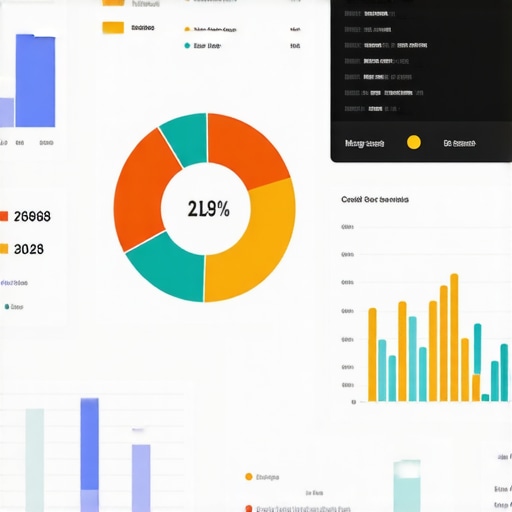
Visualize your mortgage management toolkit with a sleek dashboard featuring real-time rate graphs, credit scores, and market news feeds. This integration keeps your strategy agile, allowing for informed decisions that can save thousands over the life of your loan.
My advice? Invest time in mastering a professional-grade rate tracking platform and regularly update your financial profile. These habits will help you react swiftly to market shifts, adapt your plan, and lock in the best rates—as I did when I locked in my Knoxville home loan rate just before an uptick, saving me over $3,000.
Uncover Pitfalls Others Were Blind To
One of the biggest lessons I learned was that regional lender strategies can dramatically impact your mortgage rates—something not emphasized enough in generic guides. In Tennessee, for example, Knoxville lenders often have tailored approaches that can lower your costs if you know where to look. I also realized that crossing certain credit score thresholds, like jumping above 740, unlocks substantially better mortgage interest rates, yet many homeowners overlook this step until it’s too late. This was a turning point for me, underscoring the importance of proactive credit management before refinancing or applying for a new loan. Additionally, timing your lock-in, guided by market fluctuations, saved me thousands, proving that patience and market awareness are essential. Recognizing how regional and lender-specific factors influence rates changed my entire outlook on refinancing strategies.