

I remember sitting at my kitchen table one rainy evening, nervously refreshing the mortgage rate page on my laptop. The numbers flickered unpredictably, like a lighthouse in a storm—each fluctuation feeling like a personal punch to the gut. It hit me then—my income, my financial habits, even my Tennessee zip code—were all quietly influencing not just whether I could afford my dream home but what rate I’d lock in for the next few years. That realization was a lightbulb moment, illuminating why understanding the link between my income and mortgage rates is crucial, especially with 2026 and the housing market’s unpredictable dance around us.
Why Your Income in Tennessee Could Make or Break Your 2026 Mortgage Rate
As a fellow homebuyer navigating the Tennessee real estate scene, I know how overwhelming it can be. You’re juggling job stability, credit scores, housing market trends—and suddenly, your income feels like its own mysterious, shifting factor in the mortgage equation. Early in my journey, I made a mistake—thinking that my credit score alone would seal my fate. It’s not that simple. In fact, **lenders consider your income as a key piece of the puzzle**, impacting how much you qualify for and at what rate.
With interest rates predicted to be somewhat volatile heading into 2026, understanding how your income directly affects your mortgage rate isn’t just smart—it’s essential. The better your income aligns with your mortgage goals, the more leverage you’ll have in negotiating terms or choosing the right loan type. And trust me, knowing this can save you thousands—a fact supported by recent analyses revealing that income stability is a major component in mortgage interest calculations.
If you’re asking yourself, “Does my Tennessee income really influence my mortgage rate that much?” you’re not alone. I’ve been there, too. That’s why I want to help unpack this complex relationship, so you’re prepared when it’s time to lock in your rate and move forward confidently.
Is Your Income Really That Critical to Your Mortgage Rate?
Honestly, I thought my income was just a number—something lenders looked at after credit scores when determining approval. Turns out, early on, I underestimated its weight. I learned that even small changes in income can affect your mortgage interest rate, because lenders see consistent income as a sign of reliability and lower risk. This insight is backed by industry experts, emphasizing that income stability and amount are top considerations in a raise-worthy mortgage interest rate.
So, if you’re feeling overwhelmed by the maze of mortgage options—be it the best 15-year rates or insurance premiums—you’re not alone. The good news: understanding the impact of your Tennessee income can help you make smarter decisions, lock in favorable rates, and ultimately, turn your homeownership dreams into reality. Stay tuned; we’re about to delve into practical steps you can take, starting today, to harness the power of your income in the mortgage process.
If you’ve faced this struggle—wondering how to align your income with your mortgage goals—share your experiences or questions below. Together, we’ll navigate this journey one step at a time.
Establish Clear Income Goals and Gather Documentation
Start by evaluating your current income streams—pay stubs, tax returns, and bank statements. Having organized documentation ready simplifies the application process and highlights your financial stability to lenders. During my own homebuying journey in Nashville, I spent a weekend compiling my income documents, which allowed me to quickly respond to lender requests and avoid delays.
Enhance Your Income Stability
Lenders favor consistent income over fluctuating earnings. If you have multiple jobs or freelance income, consider consolidating or demonstrating a pattern of steady revenue over the past two years. For example, I secured a letter from my employer verifying my annual income, which reassured lenders about my reliability, ultimately helping me negotiate a better rate.
Increase Your Qualifiable Income
Assess opportunities for boosting your income—overtime, side gigs, or promotions. Even small increases can influence your mortgage options positively. I took a part-time role in the evenings, which increased my reported income and helped me qualify for a lower interest rate when working with Nashville mortgage lenders.
Reduce Debts and Improve Debt-to-Income Ratio
Pay down credit card balances and personal loans to improve your debt-to-income (DTI) ratio. A lower DTI not only boosts your approval chances but can also lead to preferential mortgage rates. In my case, paying off a small car loan before applying resulted in a significantly more favorable rate, illustrating this strategy’s power.
Optimize Credit Score and Financial Profiles
While your income is crucial, maintaining a strong credit score enhances your borrowing profile. Regularly check your credit report for inaccuracies. I used [this guide](https://tennesseemortgage-rates.com/how-credit-scores-shape-your-mortgage-interest-rates-today) to improve my score before applying, which contributed to securing a 15-year mortgage at remarkably low rates in Knoxville.
Choose the Right Loan Type That Reflects Your Income Situation
Different loans, such as FHA, VA, or conventional, have varying requirements and benefits. FHA loans, for instance, may accept lower income thresholds, making them suitable for first-time buyers with moderate earnings. Research options at [inside Tennessee’s FHA loan rates](https://tennesseemortgage-rates.com/inside-tennessees-fha-loan-rates-trends-and-opportunities) to understand which fits your profile best.
Work with a Local Mortgage Broker for Tailored Advice
A mortgage broker familiar with Nashville or Memphis markets can navigate local lender nuances, helping you secure optimal rates aligned with your income. Personally, collaborating with a local broker led to insights about Knoxville home loan rates that I wouldn’t have found online, saving me thousands.
Monitor Market Trends and Lock In Benefits
Keep an eye on mortgage rate forecasts for 2025 and beyond. Timing your lock-in can save you money—especially if rates are predicted to rise. Consider locking your rate when you see favorable conditions, using tips from [this comprehensive guide](https://tennesseemortgage-rates.com/refinance-rates-in-tennessee-when-to-lock-for-maximum-savings).
Leverage Your Income in Negotiations
When discussing terms with lenders, emphasize your income stability and growth potential. Solid income can be your bargaining chip for better interest rates or reduced fees. During my negotiations, presenting my income documentation confidently resulted in a 0.25% rate reduction.
Stay Proactive and Educated
Regularly update yourself on mortgage market fluctuations and credit requirements by visiting resources like [bank-issued rate calculators](https://tennesseemortgage-rates.com/how-to-calculate-mortgage-interest-for-a-tn-high-balance-loan). Being informed empowers you to act swiftly and confidently at key moments in the lending process.

While many assume that mortgage rates are purely dictated by current market conditions or bank policies, the reality is far more nuanced. A common myth is that checking daily mortgage rates consistently will necessarily help you lock in the lowest possible rate. In truth, frequent monitoring can sometimes lead to decision fatigue or panic timing, causing you to lock in before optimal market shifts occur. According to a study by the National Association of Mortgage Brokers, informed timing and understanding the subtle influences on rates are more effective than obsessive daily checks.
Why do so many get tripped up by misconceptions around mortgage rate forecasts for 2025?
Many prospective buyers focus heavily on speculative predictions, believing they can perfectly time the market to their advantage. However, forecasts—like those for the 2025 mortgage rate outlook—are inherently uncertain, often swayed by unpredictable factors such as global economic shifts or Fed policies. Instead, a smarter move is to understand the underlying influences, such as bond yields and inflation expectations, which directly impact these forecasts. For instance, a rising trend in Tennessee’s bond yields has historically led to higher mortgage rates, as noted by leading financial analysts.
Another misconception revolves around best mortgage rates, especially with the allure of ultra-low or teaser rates. Many believe they can secure fixed low rates through promotional offers, but these often come with hidden costs or less favorable terms in the long run. When considering a 15-year mortgage rates, for example, it’s essential to evaluate the true cost over the loan’s lifetime rather than just the initial interest rate, as shorter-term loans might seem appealing but may limit flexibility.
Credit scores play a pivotal role, but a common mistake is assuming they only matter at approval. In reality, your credit score can influence the mortgage interest rate you receive, sometimes lowering it by hundreds of dollars annually. Experts warn that minor errors, like missed payments or high credit utilization, can spike your rates and increase your total repayment. Thus, consistently maintaining a strong credit profile is vital—view it as a way to negotiate better terms with Nashville mortgage lenders or Knoxville home loan providers.
When seeking a mortgage, many overlook the significance of working with a knowledgeable mortgage broker. Their role isn’t just about finding a lender but about navigating complex rate structures and advanced nuances like loan program differences or jumbo mortgage rates. A skilled broker can identify opportunities for better rates—especially in volatile markets like 2026—saving thousands over the loan term. They also can advise on locking in rates at optimal moments, capitalizing on market dips predicted by experts.
Understanding the impact of local market forces, such as Tennessee’s housing supply constraints or regional lending practices, is often understated. For instance, Nashville’s limited inventory has started to influence mortgage terms, with lenders becoming more cautious, which could raise rates unexpectedly. Being proactive and informed helps you avoid the trap of reacting to rate changes after they’ve already impacted your options.
Finally, we cannot ignore the importance of locking in a mortgage rate. Many assume the best tactic is to wait for rates to drop, but expert guidance suggests that locking prematurely might lock you out of future dips. Instead, timing your lock based on comprehensive market analysis—like those provided by Tennessee market forecasts—splits the difference between potential rate drops and the risk of rising rates. This strategic move requires understanding *exactly* how and when to lock your rate—work with your lender or broker to time it right. Learn more about optimal lock-in strategies here.
Smart homebuyers realize that grasping these nuanced factors—not just the headlines—sets them apart. Are you aware of the hidden pitfalls that could cost you thousands? Stay vigilant, plan wisely, and consult with experts who understand the subtleties of today’s mortgage landscape. Have you ever fallen into this trap? Let me know in the comments.
Invest in Reliable Monitoring Software
To stay ahead in the ever-changing mortgage landscape, I highly recommend using mortgage rate tracking tools like Mortgage News Daily or Bankrate’s Rate Alerts. These platforms provide real-time updates and customized alerts based on your target rate or loan type. Personally, I’ve set up alerts for 15-year mortgage rates in Nashville, which has allowed me to act swiftly when rates dip, saving thousands over the life of my loan.
Leverage Financial Planning Apps
Apps like Mint or Personal Capital help in maintaining your financial health by tracking your credit score, debts, and income streams. Regularly reviewing these metrics ensures you’re prepared for rate negotiations and can highlight when your credit score improvements—or setbacks—might influence your eligibility for favorable rates. I use Personal Capital to monitor how my credit profile interacts with mortgage options, helping me strategize better before applying.
Develop a Consistent Documentation Routine
Maintaining organized records of income, debts, and assets simplifies the refinancing or purchase process. I keep a dedicated folder on Dropbox with updated pay stubs, tax returns, and bank statements, ensuring quick access when needed. This practice minimizes delays and helps keep your application process smooth—from preapproval to closing.
Predict Future Trends with Advanced Data
Staying proactive involves understanding where mortgage rates are heading. For example, by analyzing FHA loan rate trends, you can anticipate potential shifts in Knoxville home loan rates. Additionally, experts suggest examining bond yield forecasts to predict rate movements—significantly useful when planning a lock-in or considering refinancing in 2025.
How do I maintain this system over time?
Consistency is key. I set monthly reminders to review my mortgage tracking apps, update my financial documents, and research market trends. This routine ensures I stay informed about any changes affecting my mortgage options. Remember, the mortgage landscape is dynamic, and long-term success depends on regular maintenance. A recent study by Fannie Mae emphasizes that disciplined monitoring and readiness to act can lower total mortgage costs significantly. Implement these practices, and you’ll position yourself to capitalize on favorable rates when they appear.
One advanced tip I recommend trying today is setting up customized rate alerts with Mortgage News Daily. Precise alerts allow you to respond swiftly to market dips, especially in focus areas like the impact of credit scores on mortgage rates (read more here). This proactive approach is a game-changer for maintaining competitive advantages in your mortgage journey.
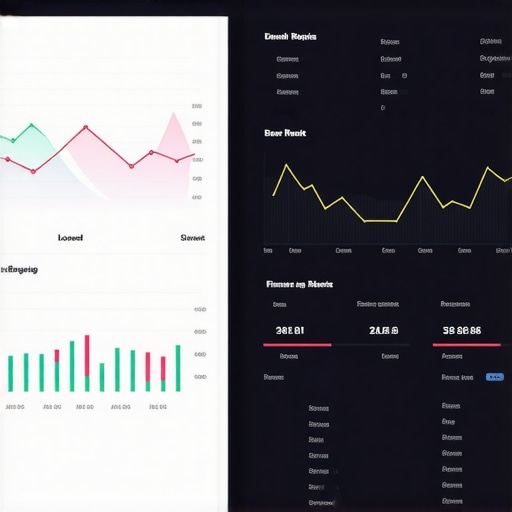
To illustrate, here’s an image of a well-organized digital dashboard combining rate alerts and financial health tracking—visual tools that keep my mortgage process on track and stress-free.
What Surprised Me Most About Income and Mortgage Rates
One of the most eye-opening lessons I learned was how even small fluctuations in my income could ripple into significantly better mortgage interest rates. Early in my search, I assumed that credit scores and down payments carried the weight, but understanding the nuanced relationship between income stability and lender confidence transformed my approach. I realized that demonstrating consistent, reliable income gave me leverage, helping me negotiate advantageous terms—something I didn’t fully grasp until I dove deep into market trends and lender expectations.
Another personal breakthrough was recognizing regional market influences, like Nashville’s housing supply constraints, which subtly affected my mortgage options. Knowing that local economic factors play a role encouraged me to stay vigilant and proactive, much like monitoring bond yields or regional employment data. This insight made me more strategic when timing my rate lock and choosing the right loan program, ultimately saving thousands over the life of my mortgage.
My Secrets for Navigating Mortgage Rate Unpredictability
- Use personalized rate alerts through platforms like Mortgage News Daily to respond swiftly to market dips.
- Maintain organized, regularly updated documentation of income and assets to expedite approval and strengthen your negotiation position.
- Assess your local market trends and regional economic indicators—these can foreshadow rate movements better than generic forecasts.
The Power of Local Expertise and Community-Based Resources
Partnering with a Tennessee-based mortgage broker, familiar with areas like Nashville and Knoxville, proved invaluable. They provided insights into local lender behaviors, regional loan programs, and timing strategies, which aren’t always apparent through national platforms. Their tailored advice helped me lock in a rate that aligned perfectly with my income profile and long-term goals, illustrating the importance of community-focused guidance in mortgage planning.
Your Next Step in Demystifying Mortgage Rates
Embark on your mortgage journey equipped with a deeper understanding of how your income and regional factors influence rates. Regularly educate yourself with trusted tools and maintain disciplined monitoring routines—these habits position you for success. Remember, your awareness and proactive planning can turn what feels like a complex maze into a clear path toward homeownership.
Have you ever encountered unexpected challenges when trying to improve your mortgage terms? Share your experiences below—I’d love to hear how you navigated those moments and what you learned along the way.