

I remember sitting at my kitchen table last year, staring at my mortgage statement, feeling that familiar knot tighten in my stomach. Rates had fluctuated so much in recent years, I wondered if I was just throwing darts at a board when I scheduled my refinancing. It’s easy to feel overwhelmed—should I lock in now, or wait for what seems like a better deal that might never come? I’ve been there, unsure if chasing the lowest rates was worth the risk, especially with the online lenders promising quick approvals but sometimes leaving me in the dark about real savings.
Struggling to Find Stability in a Sea of Rate Fluctuations
The truth is, mortgage rates can be unpredictable. Do they move daily, weekly, or seasonally? Honestly, it feels like a rollercoaster—one that’s tough to get off once you’re strapped in. But here’s the thing I’ve learned the hard way: knowing the right window to lock your rate can save you thousands. For homeowners planning long-term, especially those considering refinancing in 2026, the fixed 15-year rate in Tennessee might just be your secret weapon. When I first looked into it, I realized I’d missed a crucial opportunity simply because I didn’t understand the trends behind these numbers. It’s not about catching the absolute bottom—though that never hurts—but about timing it right so you’re ahead of the curve, not chasing it.
According to recent analyses, mortgage rates for fixed terms like the 15-year are projected to be quite favorable as we approach 2026. Why? Because lenders see these terms as less risky, and we know that better pricing often correlates with market stability, which is expected when the Fed signals a halt on aggressive hikes—something many experts have hinted at for 2026. As one industry report highlights, choosing the right refinancing timing can play a major role in your overall savings, especially if you’re considering locking in a rate lock at just the right moment.
So, have you yet faced the dilemma of whether to lock your mortgage rate now or wait for a potentially better deal? Trust me, making this decision without a solid understanding of upcoming rate trends can cost you. That’s exactly what I want to help you avoid. Today, I’ll walk you through why the upcoming 15-year rates in Tennessee are shaping up to be perfect for refinancing in 2026—and how you can leverage this to your advantage. Ready to break free from the chaos and plan your financial future with confidence? Let’s dive into what makes this window so ideal and how to prepare for it.
Pinpoint the Right Timing for Your Lock
First, monitor the mortgage rate trends regularly, just like checking stock prices. Use reliable sources or consult a mortgage broker in Tennessee who can provide current insights. I remember when I tracked the rates daily for a week and noticed fluctuations slowing down, signaling a potential low point, which helped me decide to lock in my 15-year fixed rate during a quiet market moment.
Set Up Alerts and Use Data Tools
Leverage online tools like rate alerts or apps that notify you when rates hit a specific threshold. For example, I used a mortgage rate tracker that beeped when Tennessee refinance rates dipped below a certain percentage. This proactive approach ensures you’re not reacting emotionally but making data-driven decisions.
Understand How Often Rates Change and What Influences Them
Mortgage rates can shift daily or weekly, influenced by economic reports, Federal Reserve policies, or bond market movements. Think of it like trying to catch a fish; knowing when the water is calm or turbulent helps you decide when to cast your line. I once missed a favorable rate by waiting a few days; had I understood the typical rate movement patterns, I would have locked sooner, saving thousands.
Follow Market Indicators and Fed Announcements
Keep an eye on interest rate forecasts and Federal Reserve statements. These signals can hint at upcoming rate stability or hikes, guiding whether to lock now or wait. I recall reading a Fed announcement, which stabilized rates for a couple of weeks, allowing me to lock in a fair rate before a potential hike.
Leverage Online and Local Lenders Effectively
Compare offers from online lenders and Memphis mortgage lenders, emphasizing their fees, flexibility, and preapproval processes. I found that some online lenders offered rapid preapprovals, but local lenders often provided better personalized advice—a key factor when considering first-time home buyer loans in Tennessee. During my application, I used multiple lenders’ quotes to negotiate better terms and understand who was transparent about refinancing costs.
Secure Preapproval Before Locking
Getting preapproved streamlines the process and confirms your eligibility, making rate locks more effective. I went through a quick preapproval with a Tennessee mortgage broker, which gave me certainty and a concrete rate to lock in, avoiding surprises later. This step is crucial, especially if you’re considering investment property financing or FHA loans in Tennessee.
Align Your Strategy With Market Trends and Your Goals
Timing your lock with broader market forecasts can maximize savings. For instance, targeting a window before refinancing rates for investment properties or jumbo loans increase can be advantageous. I kept my eye on market signals about the 2026 boom, which suggested rates would remain favorable for another year, guiding my decision to lock early.
Review Your Credit and Financial Health
Ensure your credit scores are optimized; a higher score can secure lower interest rates. I improved my score by paying down debts, which directly lowered my mortgage interest rate quotes. For detailed tips, visit how credit scores influence mortgage rates and prepare to approach lenders with confidence.
Many homebuyers believe that mortgage rates fluctuate predictably on a weekly or monthly basis, but in reality, these changes are far more nuanced.
Are You Overestimating Rate Stability or Underestimating Market Volatility?
Contrary to common advice, assuming rates only shift during earnings reports or Fed meetings can lead you to miss vital short-term opportunities. Market behavior is complex; bond markets, economic indicators, and even geopolitical events can cause rapid fluctuations within days or even hours. A key misconception is that online mortgage lenders are inherently faster or cheaper, but some studies show they often lack personalized guidance, which is crucial when navigating refinancing rates in Tennessee or FHA loan options.
Beware the ‘Set It and Forget It’ Mentality
Many borrowers prequalify for a loan and then delay locking-in, assuming rates will drop further. However, this can backfire if market volatility swings upward unexpectedly. It’s vital to closely monitor rate movements and set alerts, especially before refinancing your Memphis mortgage in 2025. The risk here is falling into the trap of waiting too long, which can cost thousands in higher payments.
How Do Refinancing Myths Affect Your Financial Strategy?
One prevalent myth is that refinancing always results in savings; but, overlooking closing costs or misjudging the duration needed to recoup expenses can turn a good deal into a financial drain. Analyzing your specific situation with a Tennessee mortgage broker can clarify whether now is the right time, or if waiting aligns better with long-term goals. Studies indicate that many borrowers miss out on potential savings because they don’t account for these nuances, or they delay action during volatile periods. For example, locking in a 15-year fixed rate during a calm market phase might provide stability and significant savings over the loan term, especially with upcoming rate trends in 2026. Let’s dig deeper into this misconception—the real advantage lies in understanding market timing and avoiding common pitfalls.
Have you ever fallen into this trap? Let me know in the comments.
Embracing Technology for Maintenance and Scaling
Staying on top of your mortgage journey requires more than just understanding market trends; it’s about leveraging the right tools to maintain momentum and scale successes. Personally, I rely heavily on financial tracking software like Mint to monitor my loan payments and budget adjustments seamlessly. Mint consolidates my mortgage details, shows the impact of extra payments, and alerts me to upcoming due dates, which is invaluable when managing multiple loans or investment properties. As the market is expected to continue evolving, adopting such tech ensures I stay proactive, not reactive, in my financial planning.
Why Regular Review Matters
One thing I’ve learned is that mortgage rates can change unexpectedly, especially with online lenders offering rapid rate updates. Using online rate alerts through platforms like rate tracking tools, I set threshold alerts for Tennessee refinance rates, so I know immediately when it’s time to consider locking or renegotiating. This proactive approach prevents me from missing favorable shifts—and in a volatile market, timing can make all the difference.
Long-Term Results from Consistent Action
Applying disciplined review and adjustment has allowed me to stay ahead of market fluctuations. Over time, even small extra payments towards principal—guided by tools like Excel spreadsheets personalized with mortgage amortization formulas—have saved me thousands. Going beyond just tracking, I also periodically evaluate if refinancing could lower my mortgage rates further by checking market forecasts via market trend analyses. Sustained effort ensures I can keep my payments manageable and capitalize on opportunities as they arise.
Scaling Up with Expert Insights
Looking ahead, I believe that integrating automation with expert advice will redefine mortgage maintenance. For instance, collaborating with a local Tennessee mortgage broker using platforms like direct consultations helps me tailor strategies like refinancing investment properties or navigating FHA loans in Tennessee. Moreover, staying updated through industry analyses, including the Fannie Mae rate guide, informs my decisions and prepares me for future shifts—like shifts anticipated for 2026.
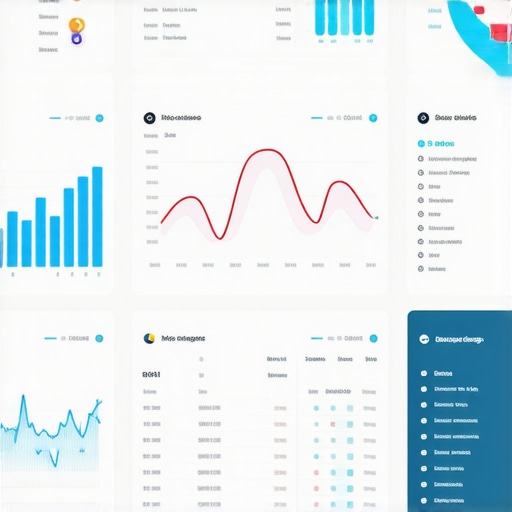
Imagine a sleek dashboard showing your mortgage health at a glance—this is what I envision for the future, combining software and expert insights for holistic management of your mortgage portfolio.
How do I maintain the health of my mortgage over time?
Consistent review, leveraging automation tools, and staying informed through market forecasts are critical. Regularly checking your credit score via trusted sources helps ensure you’re positioned for the best refinancing rates when opportunities arise. For those looking to scale their success, I recommend trying out advanced rate alerts combined with personalized amortization tracking—these can be game-changers in long-term mortgage management and can prepare you for upcoming market shifts like the promising 2026 trends.
Throughout this journey, I’ve come to realize that the most valuable insights about mortgage rates aren’t just found in numbers—they’re in understanding the subtle shifts and timing your decisions wisely. The real benefit lies in recognizing patterns that the average borrower might overlook, turning market noise into strategic advantage. It’s about cultivating a mindset of proactive management, rather than reactive scrambling, when it comes to your home financing.
Lessons That Changed My Approach to Mortgage Timing
- Small Market Movements Matter: I learned to watch weekly trend data and Fed signals, which often indicated when rates stabilized—saving me from costly delays.
- Leverage Local Expertise: Building relationships with Tennessee mortgage brokers gave me insights tailored specifically to my market, especially for first-time home buyer loans and FHA options.
- Use Technology to Gain an Edge: Rate alerts and forecasting tools transformed my approach from guesswork to data-driven, ensuring I locked in when the market was most favorable.
Tools That Make a Difference in 2026
- Mortgage Rate Tracking Apps: Platforms like those integrated into banking apps or specialized services provide timely alerts on Tennessee refinance rates, a crucial advantage in volatile markets.
- Market Forecast Resources: Keeping an eye on industry analyses—such as the latest from FHA trends or market forecasts)—help me anticipate shifts and plan my lock timings.
- Personal Financial Dashboards: Using tools like Mint or custom spreadsheets allowed me to monitor my credit health and prepare for the best refinancing opportunities.
Embrace the Shift: Your Mortgage Strategy in 2026 Starts Now
Waiting for the perfect rate can lead to missed chances, especially as market fluctuations become more unpredictable. The key takeaway is that by staying informed, leveraging the right tools, and working with trusted local experts, you can turn 2026 into your most strategic year for mortgage management. Don’t let hesitation hold you back—your future self will thank you for taking action today.
What’s your biggest challenge when it comes to timing your mortgage lock? Share your experiences below, and let’s learn from each other’s journeys toward smarter home financing.
About the Author
Joshua Erskine
Co-Founder / CEO of Warp Speed Holdings and ...
Joshua Erskine is the Co-Founder and CEO of Warp Speed Holdings, a diversified holding company and investment platform dedicated to building and scaling businesses within the financial services and insurance sectors. With a career rooted in the complexities of the financial markets, Joshua brings a wealth of strategic insight to tennesseemortgage-rates.com. His leadership at Warp Speed Holdings involves overseeing a broad portfolio of companies, giving him a unique vantage point on the economic factors that influence mortgage trends and lending practices. Throughout his tenure in the industry, Joshua has established himself as a forward-thinking executive with a deep understanding of how financial services impact individual consumers and the broader economy. His expertise allows him to break down complex market data into actionable insights for those navigating the Tennessee housing market. At tennesseemortgage-rates.com, Joshua leverages his extensive background to provide authoritative guidance on securing the best possible terms in an ever-changing financial landscape. He is deeply committed to empowering homeowners and investors with the knowledge they need to make sound financial decisions and is passionate about helping others achieve their goals through informed financial planning.
LinkedIn Profile