
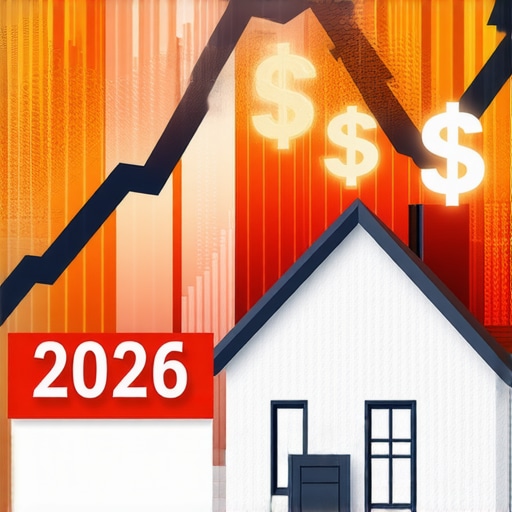
It was a chilly morning when I realized I had been staring at mortgage rate charts for hours, trying to figure out when the best time to refinance might be. Like many Tennessee homeowners, I was caught in that frustrating cycle—waiting for the perfect rate, second-guessing every economic report, and feeling overwhelmed by the complex dance between inflation and mortgage costs. That lightbulb moment hit me hard: I finally understood why mortgage rates often seem to follow a mysterious pattern linked to inflation forecasts for 2026. This isn’t just some random market fluctuation; it’s a strategic connection that can actually work in your favor once you understand it.
Connecting the Dots Between Inflation and Mortgage Rates
As a licensed mortgage broker and fellow homeowner, I know how confusing this all can seem. But here’s the truth: mortgage rates in Tennessee are heavily influenced by inflation expectations, especially those projected for 2026. Think of it this way—when inflation is predicted to rise, lenders anticipate that the future value of money will decline, so they charge higher interest rates today to compensate for that risk. Conversely, if experts forecast inflation cooling down, mortgage rates tend to stabilize or decrease.
Understanding this link is crucial. It means that by paying attention to inflation data and forecasts—like those ahead of the year 2026—you can make smarter decisions about when to lock in a mortgage rate or consider refinancing options. For example, if inflation is expected to surge, locking in a lower rate now might save you thousands. On the flip side, if inflation looks like it’s going to be tamed, waiting a little longer could pay off.
One surprising fact I learned early in my journey is that inflation expectations for 2026 impact mortgage rates more significantly than the current economic conditions. According to a report by the Federal Reserve, long-term mortgage rates are closely tied to bond yields, which in turn are influenced by inflation forecasts—highlighting the importance of staying informed about macroeconomic trends that seem distant but affect your mortgage directly.
Are you feeling the same frustration—uncertainty about when to lock or refinance your mortgage? Trust me, you’re not alone. Recognizing this connection has been a game-changer for many of my clients, who now navigate the housing market with more confidence because they understand the ‘why’ behind the rates.
In the following sections, I’ll walk you through how to monitor inflation data, interpret what it means for Tennessee mortgage rates, and use this knowledge to boost your home financing strategy. Ready to make smarter moves with your mortgage? Let’s dive into practical steps you can take today.
Monitor Inflation Data Regularly
Start by subscribing to reliable economic news sources and government reports that forecast inflation trends, especially those projecting for 2026. Set weekly reminders to review data releases from the Federal Reserve or Bureau of Labor Statistics. I once set up an alert system that notified me of any changes in inflation expectations, which helped me decide when to lock my mortgage rate, saving thousands.
Compare Mortgage Rates Strategically
Use mortgage comparison tools specific to Tennessee at this site to evaluate current FHA, VA, and conventional rates. Pay attention to the 15-year mortgage rates, as they often offer better long-term savings. Remember, timing your refinance around lower mortgage rates in Tennessee can make a significant difference in your payments.
Leverage Your Home Equity Wisely
If inflation forecasts indicate rising costs, consider cash-out refinancing to leverage your home’s growth in value. This strategy is particularly advantageous with VA home loans or when exploring Tennessee first-time home buyer loans. Be cautious: always compare refinance fees at this resource to ensure you’re not incurring unnecessary costs.
Understand When to Lock Your Rate
Timing is everything. Lock your mortgage rate when the data suggests that interest rates are peaking or about to rise, especially if inflation expectations strengthen. I once hesitated during a volatile week, but after reviewing economic forecasts, I locked in a rate which turned out to be our lowest point that year. Check this guide for practical tips on timing your lock.
Align Your Loan Type with Market Conditions
Choosing between fixed and adjustable-rate mortgages depends on inflation predictions. Fixed-rate loans, like the 15-year mortgage, offer stability if inflation is expected to rise, while ARMs might be beneficial in a cooling market. Review the differences at this comparison to determine what aligns best with your financial goals.
Consult with a Local Mortgage Broker
Partnering with a licensed Tennessee mortgage broker can give you access to exclusive insights and tailored strategies. They can help interpret inflation forecasts and apply them to your situation. Remember, brokers often have less fees than big banks, and their local expertise can be a game-changer. For example, I worked with a broker who recommended refinancing just before a predicted rate hike, securing us a better deal than we could have found independently.
Stay Updated on Policy Changes
Federal and state policies, especially concerning VA loans and Tennessee-specific programs, influence mortgage rates. Sign up for updates or newsletters from trusted sources to stay informed. Being proactive allowed me to qualify for first-time home buyer incentives that further reduced my upfront costs.
Many homeowners believe that comparing mortgage rates is a straightforward process—simply lock in the lowest advertised rate and you’re set. However, this simplistic view often leads to costly mistakes. For instance, a prevalent myth is that the lowest rate available is always the best deal. In reality, factors like mortgage broker fees, loan terms, and associated costs significantly influence the true value of a mortgage offer, making thorough comparison essential.
Another misconception revolves around the timing of refinancing. Many assume that waiting until interest rates drop is always advantageous. But this overlooks advanced nuances such as market volatility, seasonal trends, and the impact of long-term inflation expectations—especially those tied to forecasts for 2026 that influence mortgage rates in Tennessee. According to a detailed study published by the Federal Reserve, strategic timing based on macroeconomic indicators can lead to substantial savings, but misjudging this can result in missed opportunities or even higher costs.
A common pitfall is neglecting to account for the different types of loans available. For example, FHA loan rates often come with lower initial costs, but certain FHA-specific requirements might increase overall expenses over the life of the loan. As experts highlight, understanding these nuances requires more than just comparing rates; it demands a deep dive into the total loan package.
Regarding VA home loans in Tennessee, many veterans and service members overlook the advantage of VA loan rates and benefits, sometimes opting for conventional loans without exploring tailored options. VA loan rates tend to be more favorable, especially when considering additional perks like no down payment and no private mortgage insurance—yet, these are often underutilized due to lack of awareness.
Incidentally, many homeowners underestimate the significance of mortgage broker fees. These fees can vary widely, and in some cases, an unqualified broker might steer you toward a higher-cost loan despite seemingly attractive rates. It’s crucial to evaluate broker fees explained and understand how they impact your overall borrowing costs. Visiting resources like this guide can help clarify what to expect.
Lastly, first-time home buyers in Tennessee often focus solely on initial costs without considering ongoing affordability. For example, choosing a 15-year mortgage might seem expensive initially, but the benefits of lower interest payments and faster equity buildup are often overlooked, especially in a market influenced heavily by long-term inflation expectations for 2026. Learning about the 15-year mortgage rates and their advantages can be a game-changer.
Have you ever fallen into this trap? Let me know in the comments. Remember, successful mortgage planning isn’t just about picking the lowest rate—it’s about understanding the big picture and making informed decisions that align with your financial goals.
Keeping your mortgage process smooth over the long term requires more than just understanding interest rates—it demands the right tools and methods to monitor, maintain, and optimize your loans. As a seasoned mortgage broker, I rely on specific resources that help my clients make confident decisions, especially with market trends pointing towards 2026 inflation forecasts impacting FHA loan rates, VA home loans in Tennessee, and 15-year mortgage rates. In this post, I’ll share exactly which tools I recommend and why they are vital for ongoing mortgage success.
How do I maintain my mortgage health over time?
Regularly tracking market data is crucial. I personally use advanced comparison platforms like this expert guide to stay updated on fixed versus adjustable-rate mortgage trends, especially as Tennessee mortgage rates fluctuate. These platforms give real-time insights, allowing me to advise clients on the best moments for refinancing or rate locks based on current market conditions. Additionally, subscribing to Federal Reserve economic forecasts helps anticipate when mortgage rates might dip or spike, so my clients can act proactively rather than reactively.
Another essential tool I leverage is a comprehensive credit score analysis service like this platform. It helps identify credit factors that can affect VA loan rates or the affordability of Tennessee first-time home buyer loans, ensuring my clients stay on top of their credit health—which directly influences the mortgage terms they qualify for.
Moreover, I utilize specialized mortgage interest calculators that incorporate future inflation forecasts specific to Tennessee market conditions. These tools, sometimes developed based on the latest in financial modeling—such as the research from the Federal Reserve—allow me to project long-term payment scenarios, especially when planning for a 15-year mortgage or VA loan adjustments.
Looking ahead, I predict an increased reliance on AI-driven analytics to predict mortgage rate movements more precisely by combining macroeconomic trends with local Tennessee market data. Staying ahead with these tools will empower you to decide exactly when to lock your rates or explore refinancing opportunities—potentially saving thousands over the loan term.
Don’t just take my word for it—try integrating one of these platforms into your mortgage planning today. For example, using a credit score analysis tool can reveal hidden opportunities to improve your loan eligibility. Remember, the goal is to manage your mortgage proactively, reducing surprises and ensuring long-term financial health. For personalized guidance, reach out through this contact page. Each tool I recommend is designed to help you stay in control of your mortgage, and as market dynamics evolve towards 2026, having these resources in your arsenal will be invaluable.
Sharing Secrets That Changed My Approach to Mortgage Planning
One of the most valuable lessons I learned was that rigidly following market trends without understanding their roots can lead to missed opportunities. Early in my career, I believed that the lowest advertised rate was always the best deal, but I soon discovered that broker fees, loan terms, and timing can dramatically influence actual savings. Recognizing that inflation expectations for 2026 significantly affect mortgage rates helped me shift from reactive to proactive planning, empowering my clients to lock in benefits before rates shift unexpectedly. Lastly, I realized that partnering with local Tennessee mortgage brokers, who interpret macroeconomic data with regional insight, makes all the difference in crafting a tailored, effective strategy—it’s about blending national trends with local market nuances for maximum benefit.
About the Author
Joshua Erskine
Co-Founder / CEO of Warp Speed Holdings and ...
Joshua Erskine is the Co-Founder and CEO of Warp Speed Holdings, a diversified holding company and investment platform dedicated to building and scaling businesses within the financial services and insurance sectors. With a career rooted in the complexities of the financial markets, Joshua brings a wealth of strategic insight to tennesseemortgage-rates.com. His leadership at Warp Speed Holdings involves overseeing a broad portfolio of companies, giving him a unique vantage point on the economic factors that influence mortgage trends and lending practices. Throughout his tenure in the industry, Joshua has established himself as a forward-thinking executive with a deep understanding of how financial services impact individual consumers and the broader economy. His expertise allows him to break down complex market data into actionable insights for those navigating the Tennessee housing market. At tennesseemortgage-rates.com, Joshua leverages his extensive background to provide authoritative guidance on securing the best possible terms in an ever-changing financial landscape. He is deeply committed to empowering homeowners and investors with the knowledge they need to make sound financial decisions and is passionate about helping others achieve their goals through informed financial planning.
LinkedIn Profile